“Co-Streaming: The Future of Esports or the Death of League of Legends?”
In the ever-evolving world of esports, few topics spark as much debate as co-streaming. Originally introduced in 2021 for VALORANT tournaments, co-streaming quickly made its way into League of Legends, bringing with it a mix of hype, controversy, and plenty of opinions.
On one side, it’s hailed as a game-changer, making tournaments more accessible and engaging. On the other, critics argue that it’s bleeding revenue from the ecosystem and putting League of Legends esports on shaky financial ground. So, is co-streaming a boon or a burden? Let’s dive in.


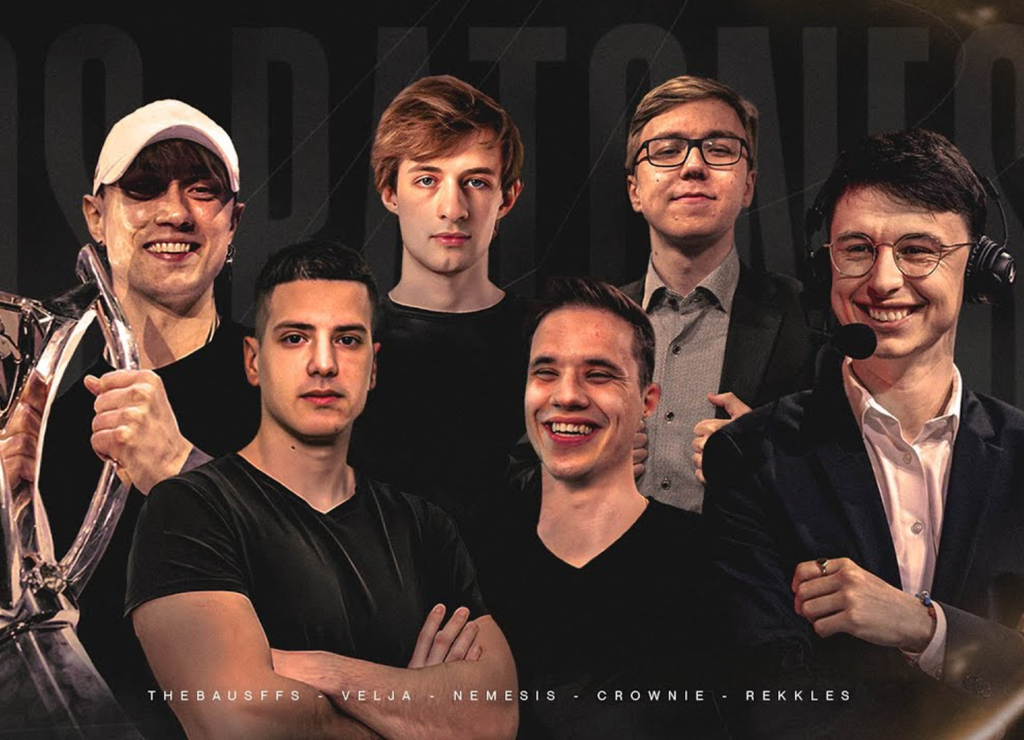
What is Co-Streaming?
Co-streaming allows select content creators and esports personalities to broadcast official tournaments on their own channels. Think of it as a virtual watch party, where streamers add their own flair, insights, and community interactions while streaming major League of Legends matches.
Riot Games has gradually expanded its list of co-streamers, incorporating different languages and regional influencers. The LCS led the charge, with FlyQuest becoming the first team to co-stream in Spanish in 2021. In 2023, the LEC followed suit, granting teams like KOI, Team Heretics, and G2 the rights to co-stream matches.
The result? A more intimate and personalized viewing experience compared to official broadcasts.
The Pros: Why Co-Streaming Works
Many fans argue that co-streaming breathes new life into League of Legends esports. Influencers like Marc ‘Caedrel’ Lamont and Nick ‘LS’ De Cesare bring unique perspectives and humor that traditional broadcasts often lack. The personal touch keeps audiences engaged and, for some, is the only reason they tune in at all.
Here are a few undeniable benefits of co-streaming:
- Increased Viewership: Many fans prefer watching their favorite content creators rather than official broadcasts, boosting total engagement.
- More Diverse Perspectives: Co-streamers offer different styles of commentary, making the games more accessible to both casual and hardcore viewers.
- Global Reach: Allowing co-streaming in different languages broadens League of Legends’ international audience.
- Evolving with React Culture: The rise of reaction-based content makes co-streaming an ideal way to keep esports relevant in the streaming era.
The Cons: Why Some Say It’s Hurting the Scene
While co-streaming has undeniable perks, not everyone is convinced it’s good for the long-term health of League of Legends esports. Team Liquid’s head coach, Jake ‘Spawn’ Tiberi, recently reignited the debate, arguing that co-streaming is financially damaging to the scene.
His main concerns?
- Revenue Fragmentation: Instead of centralized viewership under Riot’s official streams, audiences are scattered across various platforms, making sponsorship deals and ad revenue harder to secure.
- Financial Instability: With esports investments declining post-COVID, Riot’s financial model is more fragile than ever. Less direct control over viewership means fewer monetization opportunities.
- Content Creator Dependence: What happens if co-streamers decide to step away? Without them, will viewership numbers plummet?
Caedrel’s Take: A Middle Ground?
One of co-streaming’s biggest advocates, former pro player turned streamer Caedrel, believes that while the system isn’t perfect, it’s powerful. He acknowledges Spawn’s concerns but argues that co-streaming is essential for keeping League of Legends esports alive.
His proposed solution? Instead of seeing co-streaming as a threat, Riot could integrate it into its revenue model. For instance, Riot could allow co-streamers to design and sell exclusive in-game items, ensuring both sides benefit financially.
The Future of Co-Streaming: What’s Next?
The League of Legends esports scene is at a crossroads. Riot wants more control over its product, but it also needs co-streamers to maintain interest and engagement. Without co-streaming, viewership numbers could take a major hit, making it even harder to secure brand partnerships.
One fan summed up the dilemma perfectly: “I think Spawn is underestimating the fact that a lot of people who watch co-streams wouldn’t watch the main broadcast.”
The big question now is: will Riot double down on a centralized broadcast model, or will it embrace co-streaming as an integral part of esports’ future? One thing’s for sure—whatever decision they make could shape the industry for years to come.